Economic Survival Exhibition 2026: Mahasiswa Kembangkan 359 Inovasi Termasuk Produk Kopi Eco Brew dan Aplikasi Spendly
Konteks New Policy dan Inisiatif Pendidikan Berbasis Trimester
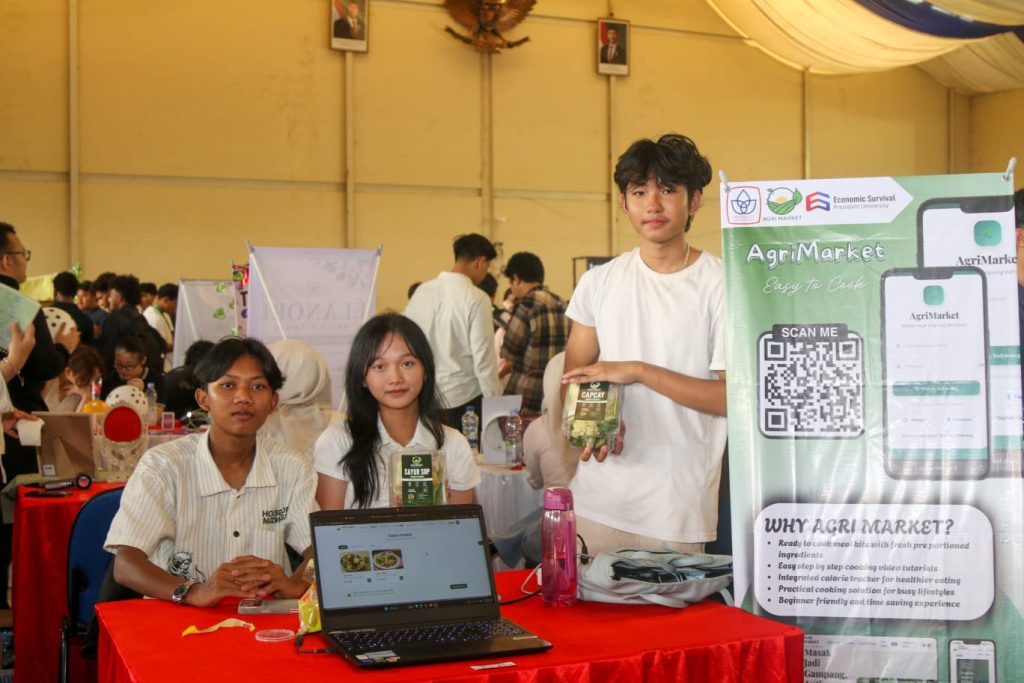
New Policy – Under the new policy of President University, the Economic Survival Exhibition 2026 has become a pivotal platform for first-year students to showcase their entrepreneurial initiatives and creative solutions. This year’s event highlights 359 innovative products and services, including the eco-friendly coffee product Eco Brew and the financial management application Spendly, demonstrating how the university’s educational strategy integrates practical learning with academic theory. The exhibition is part of a broader initiative under the new policy to nurture students’ skills in problem-solving and economic resilience from the outset of their academic journey.
The new policy emphasizes a trimester-based curriculum, which allows students to engage in hands-on projects before delving into theoretical studies. This approach ensures that students are not only exposed to academic concepts but also encouraged to apply them in real-world scenarios. As part of their mandatory course, Economic Survival, students are required to develop and present a business idea, with the exhibition serving as the culminating event where their efforts are evaluated and celebrated. The focus on New Policy has transformed the traditional learning model into a dynamic, student-centered program that fosters innovation and economic adaptability.
One of the standout projects under the new policy is the Eco Brew coffee product, which combines sustainability with quality. This initiative reflects the university’s commitment to environmentally conscious business practices, as students are challenged to create products that are both marketable and socially responsible. Similarly, the Spendly application, developed as part of the new policy’s framework, addresses the financial needs of students by providing a digital tool for budgeting and expense tracking. These examples illustrate how the new policy has empowered students to tackle contemporary challenges through creative and practical solutions.
Proses Pemangkasan Keterampilan Mahasiswa
Through the new policy, the Economic Survival Exhibition 2026 has evolved into a comprehensive test of students’ entrepreneurial capabilities. The program requires participants to go through a structured process, beginning with the development of a business idea in their first semester, followed by a six-month implementation phase, and concluding with the exhibition in the third semester. This three-phase model ensures that students have ample time to refine their concepts, address potential challenges, and present polished results under the new policy’s guidance.
Students participating in the new policy’s Economic Survival program are also trained in critical thinking and collaborative problem-solving. The curriculum incorporates case studies, market research, and peer feedback to help students understand the complexities of business management. By engaging in this hands-on learning experience, students not only develop technical skills but also cultivate a mindset of innovation and adaptability. The new policy aims to bridge the gap between academic learning and real-world application, ensuring that students are well-prepared to navigate economic challenges upon graduation.
“New Policy is designed to equip students with the tools and mindset needed to thrive in a competitive economy. The Economic Survival Exhibition 2026 is a testament to how this approach fosters creativity and resilience among young entrepreneurs,” stated Adhi Setyo Santoso, the vice rektor who oversees the program.
The university’s new policy has also encouraged interdisciplinary collaboration, with students from various faculties contributing unique perspectives to their projects. For instance, the Eco Brew coffee product was developed by a team combining business, environmental science, and design students, showcasing the benefits of a cross-disciplinary approach under the new policy.
Impact of New Policy on Student Engagement
The new policy has significantly enhanced student engagement by aligning academic goals with real-world relevance. By integrating economic survival challenges into the first-year curriculum, the university ensures that students are actively involved in developing solutions from the very beginning. This has resulted in a higher level of motivation and creativity, as students are given the freedom to explore innovative ideas within the framework of the new policy. The Economic Survival Exhibition 2026, therefore, serves as a crucial milestone in their academic and entrepreneurial journey under the new policy.
Additionally, the new policy has facilitated access to resources and mentorship that support students in refining their projects. A panel of faculty members, industry experts, and alumni judges the exhibition, providing constructive feedback that helps students improve their business models. This evaluative process is integral to the new policy’s objective of fostering continuous learning and growth. The result is a diverse range of products and services that reflect the students’ ability to think critically and innovate under the new policy’s structured environment.
As part of the new policy, the Economic Survival Exhibition 2026 also emphasizes the importance of social impact. Many of the showcased projects aim to address local and global issues, such as sustainability, financial inclusion, and educational accessibility. For example, the Edu Fun board game was created to aid in learning through interactive play, demonstrating how the new policy encourages students to combine creativity with social responsibility. These projects not only highlight the students’ entrepreneurial spirit but also underscore their potential to contribute meaningfully to society under the new policy’s guidance.